Speak-first Spanish
Stop understanding Spanish. Start speaking it.
You understand more than you can say. Bilingue gets it onto your tongue, one line at a time, out loud.
01How it works
One exercise, start to finish.
The four-move practice loop that turns Spanish you understand into Spanish you can speak out loud.
01Say it first
You speak before any answer appears.
A real scenario comes up and you say the line out loud. No tiles, no multiple choice anywhere in the course. You produce the words, you don’t pick them.
Scenario
Someone is speaking too fast and you’re getting lost.
Your turn
Ask them to speak slower.
Record answer02Their reply
The other person answers back.
When the exercise is a conversation, their reply plays the moment you finish, in Latin American Spanish. You’re answering a real exchange, not talking into a void.
Claro, perdón.
Sure, sorry.
03Check yourself
Compare your recording to the model.
Your recording sits next to the model in Latin American Spanish. Play both, hear the gap, and judge how close you got; hold the model to slow it to three-quarter speed. Nothing scores you, and no one else ever hears it.
Not there yet? One tap loops shadowing, the listen-and-repeat technique interpreters use to build rhythm and speaking fluency in Spanish.
Más despacio, por favor.
Slower, please.
04Grade, and it comes back
Two honest buttons. FSRS takes it from there.
Tell it how that felt. FSRS stretches the interval each time you succeed, bringing each phrase back right before you’d forget it. Then the loop begins again.
One rule: if you peek at the answer, Got it locks until you re-record. Reading isn’t producing.
Next reviews stretch out
02The evidence
A method you can check, not a promise you take on faith.
Why spaced repetition and speaking out loud move Spanish from recognition to real conversation.
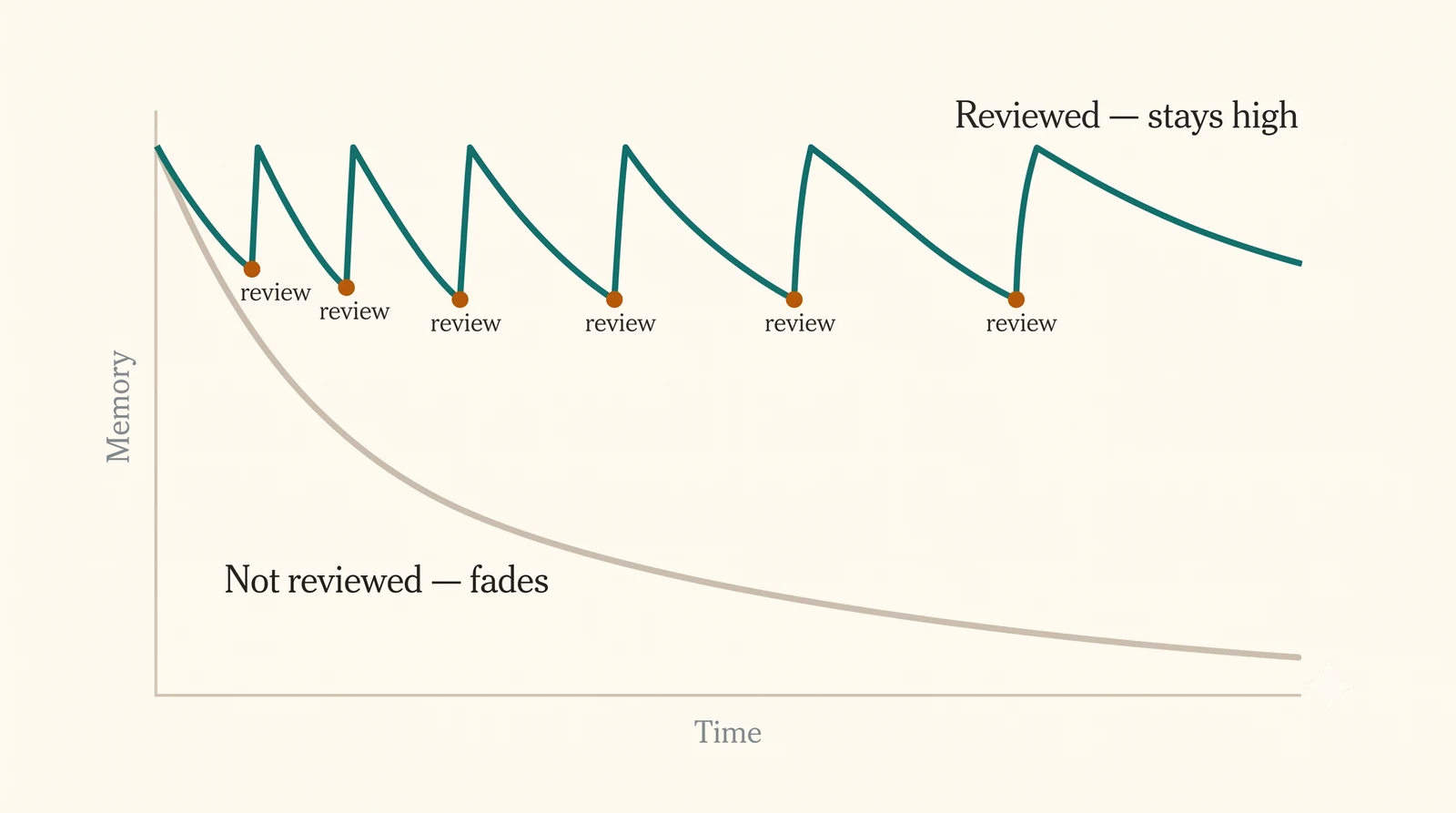
The intervals widen as memory strengthens, so you spend reviews only where they still pay off.
Retrieval practice (producing an answer instead of re-reading it) is one of the most replicated findings in memory research, and doing it out loud strengthens the effect. Tap-to-match skips that step.
The freeze is documented too: speaking anxiety slows word recall. So you practice out loud, in private. By the time there’s an audience, the words have been said before.
~90%
retention held
20–30%
fewer reviews
That’s spaced repetition, run by FSRS, the open scheduler built into Anki. A public benchmark of ~700 million reviews from ~20,000 learners puts it ahead of simpler schedulers.
03The course
What you’ll practice.
A structured path of Spanish speaking practice, from first words to everyday conversation, plus focused collections for the specific people and situations in your life. All of it voiced in Latin American Spanish.
A structured core, plus focused collections for the people and moments in your life. Drag to explore, tap any course to start.
 Start here
Core Learning Path
The fundamental building blocks of Spanish conversation.
11 modules · 183 exercises · Free
 A2–B1
A2–B1Everyday Conversations
Talk about the past, describe people and places, hold real conversations.
12 modules · 168 exercises
 Foundation
Spanish from Scratch
New to Spanish? Build the sounds, first words, and essential verbs.
12 modules · 183 exercises
 A1–B2
A1–B2Travel Spanish
Practical Spanish for the road, from hotel check-in onward.
13 modules · 176 exercises
 A1–B2
A1–B2Food & Dining in Spanish
Order with confidence across cafés, markets, and street stands.
12 modules · 169 exercises
 A1–A2
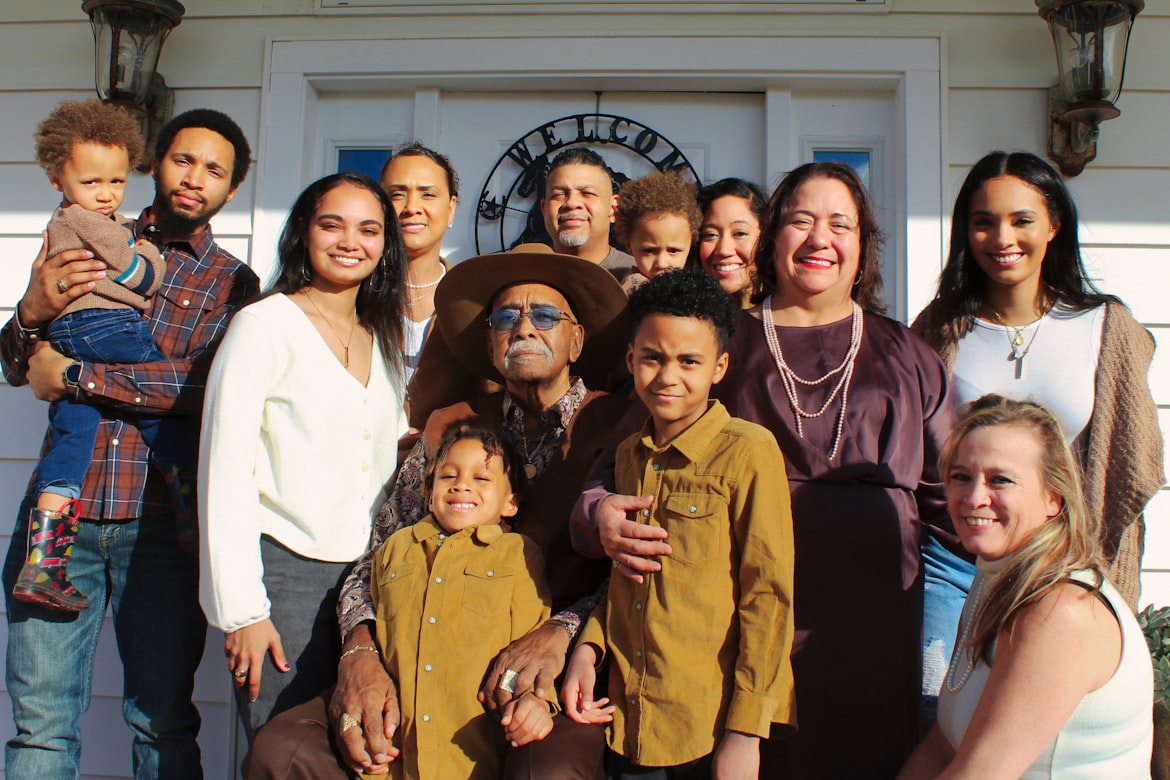
A1–A2Impressing the In-Laws
Make a great first impression on your partner's family.
10 modules · 155 exercises
 A1–A2
A1–A2Surviving the Family Gathering
From quiet at the table to part of it.
8 modules · 123 exercises
 A1–A2
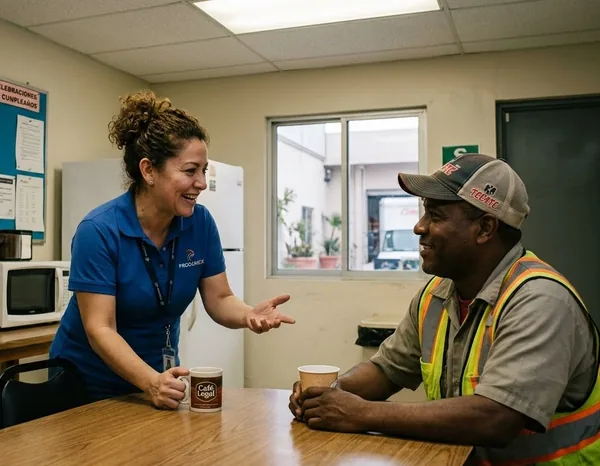
A1–A2Beyond Hola
The small talk that turns a transaction into a conversation.
9 modules · 141 exercises
 A1–A2
A1–A2Kitchen Spanish
Cook alongside familia and share the meal.
10 modules · 150 exercises
 A1–A2
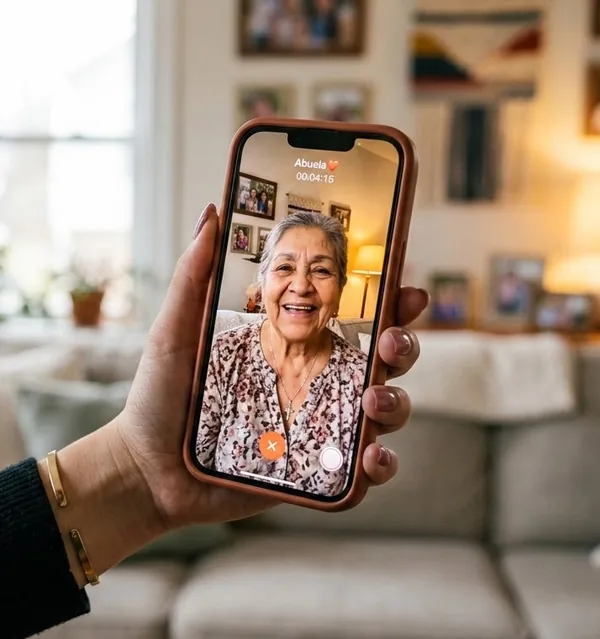
A1–A2The FaceTime Call with Abuela
Never freeze on the call again.
10 modules · 157 exercises
 A1–A2
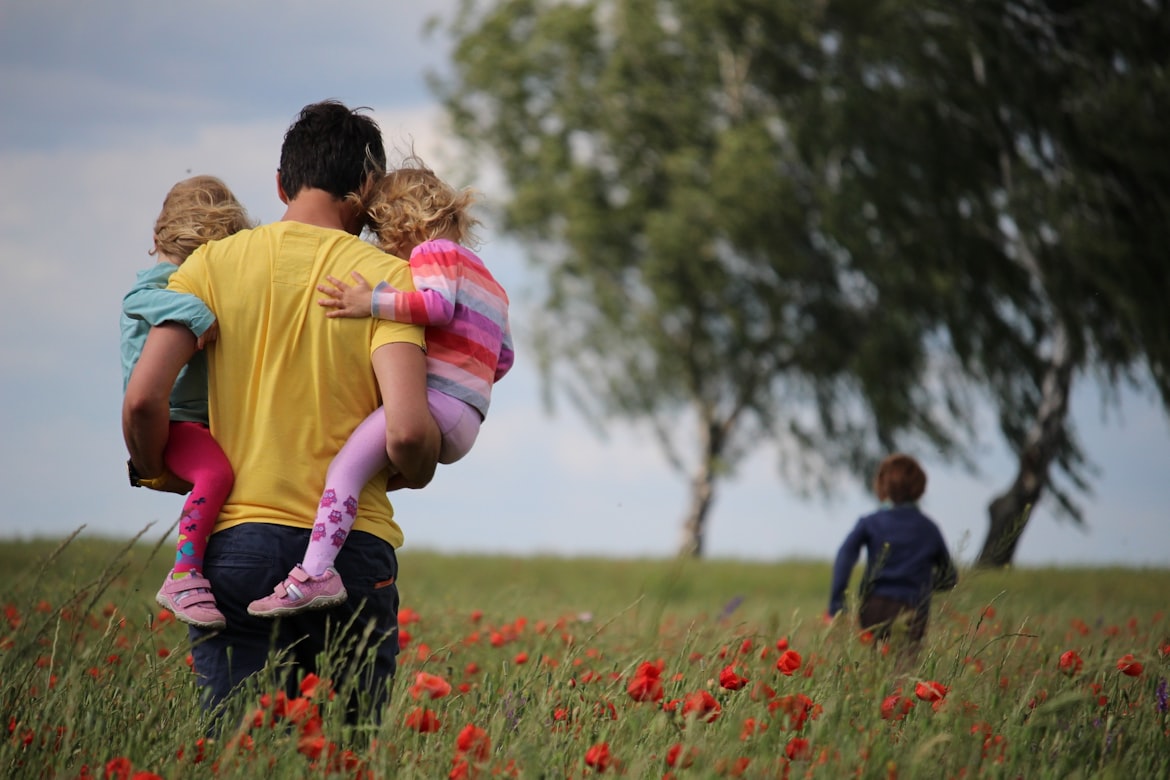
A1–A2Parenting in Two Languages
Everyday Spanish for mornings, meals, and the playground.
9 modules · 138 exercises
 A1–A2
A1–A2Love and Feelings in Spanish
Share affection and build a deeper connection.
9 modules
12 courses · 125 modules · 1,900+ exercises · A1–B2 · all open from day one
04FAQ
Questions, answered plainly
What this is, what it costs, and why it’s built the way it is.
More questions? Contact usThe next conversation is coming either way.
The call, the visit, the trip you keep putting off. Practice out loud before it gets here, and the words will be there when it does.